
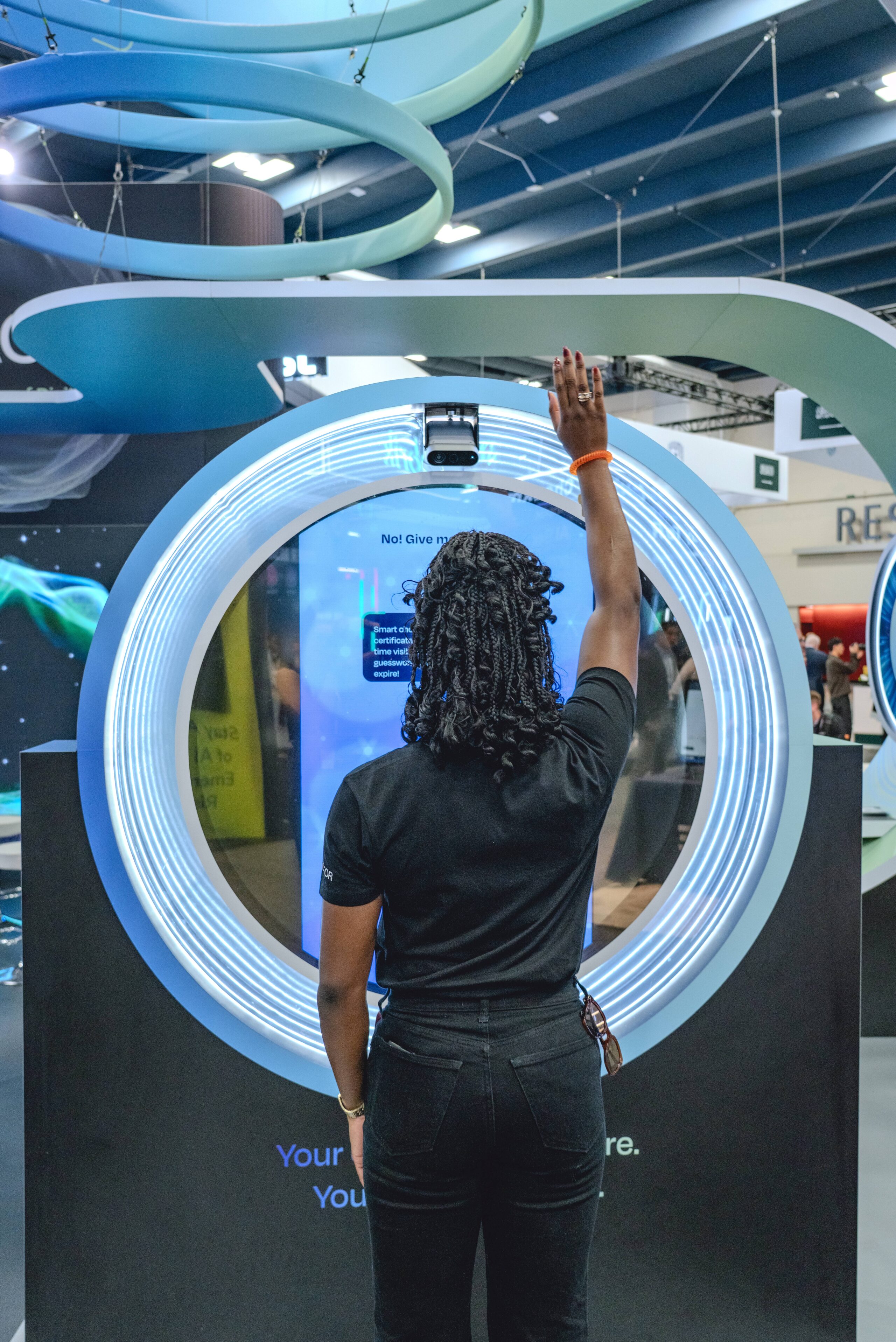
Experiential Marketing Exhibits: How to Craft Immersive Brand Experiences
Experiential trade show exhibits are reshaping how brands connect with their audiences. No longer confined to static displays or brochures, today’s best booths immerse attendees in dynamic, multisensory experiences that spark real emotion and action. When designed well, they turn foot traffic into conversations, and conversations into conversions.
But crafting an effective experiential environment takes more than flashy tech or trendy furniture. It requires a cohesive strategy, purposeful storytelling, and a deep understanding of your audience’s mindset. Let’s explore how to craft an experiential exhibit that fosters deeper connections and increases conversions.
What Experiential Marketing Means for Trade Show Success
At its core, experiential marketing transforms your booth from a sales space into a brand experience. It invites attendees to interact, explore, and feel your message rather than simply view it.
Instead of rows of literature racks or looping product videos, experiential booths create immersive environments that pull people into your world. Think interactive displays, real-time demos, immersive lighting and sound, tactile materials, and guided journeys that help people connect emotionally with your brand.
The result? Higher engagement, stronger brand recall, and relationships that outlast the event.
What Every Great Experiential Trade Show Booth Needs
Designing an environment that makes people stop, participate, and remember involves more than great aesthetics. Below are the foundational elements that separate standout experiences from forgettable setups:
Multisensory Design
Engage sight, sound, touch, and even smell. Think ambient lighting, textured materials, custom scents, or curated playlists. The more senses you activate, the more immersive and memorable the experience.
Interactive Technology
Leverage tools like augmented reality, virtual reality, or motion-triggered touchscreens. Interactive elements provide hands-on experiences that allow attendees to explore your product or solution in a more impactful way.
Narrative Flow & Brand Storytelling
Guide visitors through a story. Every touchpoint in the exhibit should align with your brand’s mission and values, from large-scale visuals to micro-interactions. Think of the space as a stage and your brand as the main character.
Tailored Experiences
The best exhibits feel personal. Customize demonstrations based on attendee interests, offer smart badges that trigger content, or deliver tailored takeaway kits. Personalized engagement makes your visitors feel seen, and more likely to remember you later.
Shareable Moments
Use design features that people want to post about. Selfie spots, branded hashtag stations, and clever installations extend reach beyond the trade show floor through user-generated content.
Functional Design
Beauty matters…but usability seals the deal. Ensure your layout flows intuitively, supports conversation zones, and accommodates any tech or demos. The most engaging booths are the ones people can move through with ease and purpose.
 How to Design an Experiential Trade Show Booth: A Step-by-Step Guide
Now that we’ve covered the essential elements, here’s how to build a booth that works from strategy to execution:
1. Define Your Objectives
Start with your end goals. Is the focus brand awareness? Lead generation? Product demos? Clear KPIs will guide design decisions, messaging, and tech integrations.
2. Understand Your Audience
What are their challenges? Preferences? Interests? The more you know, the more relevant and magnetic an exhibit becomes. Use attendee personas to align your engagement strategy.
3. Create a Unified Theme
Tie all elements together with a central concept—visual, verbal, and experiential. A cohesive theme helps tell a consistent story that reinforces your identity.
4. Build in Interaction
Whether it’s product simulations, hands-on demos, or digital games—make sure visitors are doing, not just watching. Engagement builds connection and boosts retention.
5. Equip Your Team to Deliver
Your booth staff are your brand ambassadors. Train them to guide conversations, troubleshoot tech, and keep energy high. The best exhibit experience is powered by people who are prepared.
6. Plan for Follow-Up
Planning the post-show experience continues the conversation and keeps your brand top of mind. Collect data smartly and set up a post-event strategy to continue the conversation. Personalized follow-ups, recap emails, or exclusive offers can turn booth buzz into long-term loyalty.
READ MORE: The Ultimate Follow-Up Checklist for Trade Show Managers
Creative Ways to Get Attendees to Stay at Your Booth
Attracting foot traffic is just the beginning. The real value comes from keeping attendees engaged, excited, and talking about your exhibit. Here’s how to turn casual interest into a meaningful connection:
- Gamify the Experience: Turn your environment into an interactive playground. Use challenges, contests, or quizzes to incentivize exploration. Leaderboards, instant prizes, or digital scavenger hunts can drive participation and make a space feel fun and rewarding.
- Host Live Demos or Activations: Seeing is believing. Real-time demonstrations—whether it’s tech in action, product use cases, or behind-the-scenes reveals—draw crowds and build trust. Live activations make your offering tangible and engaging.
- Offer Mini-Sessions or Micro-Workshops: Short, value-packed educational sessions position your brand as a thought leader. Keep them brief (10–15 minutes), relevant, and interactive. People love to learn something new—especially when it’s easy to digest and directly applicable.
- Create Relaxation Zones: Trade shows are exhausting. An exhibit that offers lounge seating, refreshments, or charging stations will naturally become a destination. When attendees feel comfortable, they linger longer—and that allows more time to connect.
- Extend the Experience Post-Show: Use QR codes, exclusive digital content, or gated resources to keep the momentum going. A memorable experience is great but a thoughtful follow-up strategy keeps your brand top of mind.
Why Good Booths Fail: Mistakes to Watch Out For
Designing an experiential trade show exhibit is a significant investment of time, creativity, and resources. Even well-designed booths can fall flat if certain fundamentals are overlooked. Watch out for these frequent missteps:
Too Much, Too Fast
An overloaded booth—whether with visuals, messaging, or tech—can feel chaotic. Clarity is key. Give attendees breathing room to absorb what matters.
Skipping Pre-Show Promotion
If you’re waiting for people to find your environment, you’re already behind. Use email campaigns, social media teasers, or exclusive invites to build anticipation before the doors even open.
Undertrained Staff
No one likes awkward or unprepared booth reps. Invest in training so your team understands the tech, the brand story, and how to guide meaningful interactions.
Ignoring Tech Failures
That interactive touchscreen won’t help if it crashes on the first day. Test everything. Then test it again. Have a backup plan to keep things smooth and professional.
Lack of Clear Goals
If you don’t define success, you can’t measure it—or improve it. Set specific KPIs upfront so every design and engagement decision serves your objectives.
READ MORE: How to Design Killer Trade Show Graphics
What to Measure After the Show: KPIs That Prove Value for Investment
An eye-catching exhibit is only part of the equation. To truly understand your trade show success, you need data that reveals how well your exhibit performed—and where you can improve.
Evaluating both numbers and narrative will give you a complete picture of your impact. Here are the metrics that matter most:
- Lead Generation Metrics: Track the number of leads collected during the event and assess their quality. Evaluate how many leads align with your target audience and their potential to convert into customers.
- Engagement Analytics: Monitor how attendees came into your environment. Metrics such as dwell time, participation rates in interactive elements, and the number of repeat visits can indicate effectiveness in engaging visitors.
- Social Media Metrics: Analyze the online buzz. Monitor mentions, shares, and the reach of booth-related content on platforms like X, LinkedIn, TikTok, and Instagram. High engagement levels amplify your brand’s visibility beyond the trade show floor.
- Surveys and Feedback: Collecting feedback directly from attendees provides valuable qualitative insights. Post-event surveys can reveal attendees’ perceptions, highlight success areas, and identify improvement opportunities.
Let Exhibitus Bring Your Experiential Trade Show Vision to Life
Designing an experiential exhibit that stands out—while staying aligned with your brand, goals, and audience—requires more than great ideas. It takes strategy, craftsmanship, and flawless execution. That’s where we come in.
At Exhibitus, we specialize in creating immersive brand experiences that engage, inform, and inspire. With both Engagement Design & Production and Architectural Design & Fabrication, we bring vision and strategy together that perform on every level.
Looking to turn your next exhibit into a high-impact brand experience? We’ll bring the strategy, creativity, and execution to make it happen. Connect with us today!